



Why a Working with Heights Course Is Important for Safety on Job Sites That Are High Up?

How to Handle Risks When Working at Heights?
One of the most dangerous jobs in several fields, such as construction, maintenance, telecommunications, and warehousing, is working at heights. Falls from height are a major source of serious injuries and deaths at work, therefore it’s important to get the right training. That’s why taking a working with heights course is more than simply a legal requirement—it’s a very important step towards keeping yourself safe and following Australian workplace standards.
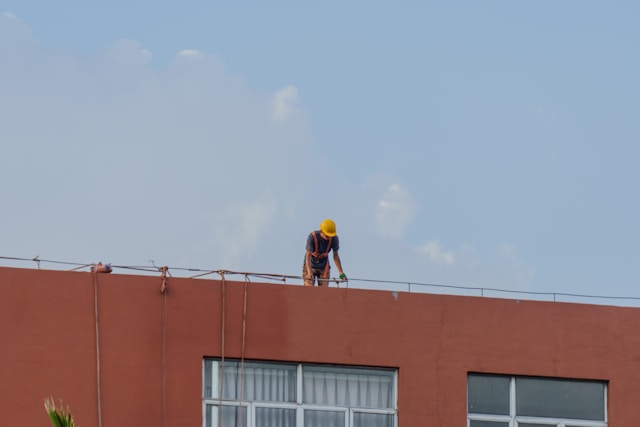
The course is meant to teach workers how to work safely in places where they might fall. This includes work done on roofs, ladders, scaffolding, towers, platforms, or any other surface where a fall could hurt someone. Anyone who does or supervises these kinds of work must take the training, which is based on the national competency unit RIIWHS204E, “Work Safely at Heights.” Before letting their employees work at heights, employers must make sure that they have received enough training. This training lowers the business’s liability and raises the individual’s safety awareness, making it a very important qualification in industries with a lot of risk.
What the Working with Heights Course Teaches?
A typical course on working with heights course has both theoretical and hands-on training. The course teaches how to spot hazards, set up fall prevention systems, wear personal protective equipment (PPE) correctly, and respond to emergencies. Participants learn how to properly check and fit fall arrest systems, safety harnesses and anchor points. During the hands-on part of the training, learners may have to do simulated tasks at height while wearing the right safety gear. This lets students use what they’ve learnt in a safe, supervised setting. It is important to know the limits and proper usage of height safety equipment since not using it properly or being too comfortable with it might have serious effects. Registered Training Organisations (RTOs) teach most courses in one day. After finishing the course, participants get a Statement of Attainment that is recognised across the country. This is good as long as the worker stays competent. But it’s a good idea to take refresher courses every two to three years, especially in fields where safety rules change often or are very strict.
Who Should Take This Course and Why It Is Important?
A lot of professions need to take the working with heights course. This covers anyone who works above ground level, such roofers, electricians, HVAC specialists, painters, scaffolders, and construction workers. It also matters for site managers and supervisors who are in charge of making sure that everyone follows safe work rules. The education gives workers confidence in addition to completing legal requirements. Workers may avoid accidents and keep working by knowing how to assess risk, pick the right tools, and follow the necessary safety rules. It also helps teams work together better since everyone learns to adopt the same safety language and protocols. Having certified staff on-site shows that the company cares about the health and safety of its employees. It can also help you win contracts, especially those that have tight compliance criteria or are watched by the government.
Connecting to More General Safety Rules at Work
Working at heights is simply one part of occupational safety, but it is directly related to other training requirements, like taking a white card course WA before working in construction situations. These certifications work together to give workers a base of safety knowledge that helps them spot dangers, know their legal responsibilities, and lower risks in all parts of their jobs. When workers get extra specific training, such as how to work in restricted spaces, on scaffolding, or on elevated work platforms, they become more flexible and can work at a larger range of job sites. This gives people additional job options and helps businesses choose safer, more law-abiding workers. In short, a working with heights course is not just something you have to do; it’s a very important investment in safety, skills, and professionalism in the field. It’s important for everyone in the workplace to be height safety certified, whether you’re just starting out in a craft or supervising a team of seasoned workers.

Leave a reply