




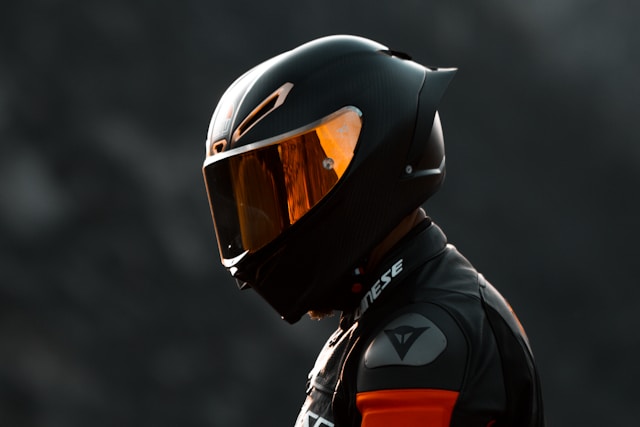
In motorsport, cycling, and other high-speed disciplines, the helmet is the single most important piece of safety equipment a rider uses. The choice of helmet material directly influences weight, stiffness, energy absorption characteristics, and the overall level of protection offered in an impact. For serious riders and competitors who want the highest possible combination of protection and performance, carbon fibre helmets represent the current state of the art. Australia’s motorsport community, which includes circuit racing, karting, rallying, and track cycling, has a strong tradition of technical excellence and safety consciousness. Riders at all competitive levels are increasingly recognising that the helmet is worth investing in above almost any other piece of equipment.
Knowing What Makes Carbon Helmets Unique
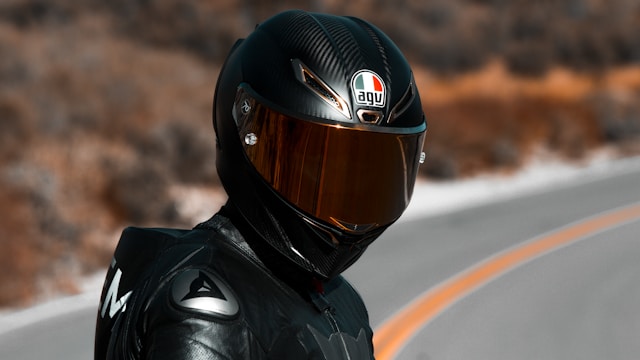
A carbon helmet is constructed with a carbon fibre composite shell that delivers exceptional stiffness-to-weight performance. Compared to fibreglass or polycarbonate shells of equivalent protection rating, carbon fibre shells are significantly lighter while maintaining superior rigidity. This rigidity is important because a stiffer shell distributes impact energy more effectively across the liner material, which is responsible for the actual energy absorption in a crash. The weight reduction achieved with carbon construction has practical benefits beyond performance. A lighter helmet reduces neck fatigue during long stints at the wheel or in the saddle, which contributes to both comfort and sustained concentration. For competitors engaged in endurance events or extended training sessions, this benefit is significant.
The Benefits of Carbon Helmets for Riders in Australia
Australia’s climate, with its hot summers and variable conditions across different racing regions, makes thermal comfort in helmets a relevant consideration. Carbon fibre helmets are often designed with optimised ventilation systems that, combined with the reduced thermal mass of the lighter shell, can contribute to better comfort in warm conditions compared to heavier conventional helmets. The quality of fit and interior comfort in premium carbon helmets also tends to be superior. High-end helmet manufacturers invest significantly in interior padding systems, moisture management liners, and adjustable retention systems that make extended wear genuinely comfortable. When a helmet is comfortable to wear, riders are more likely to keep it on and to wear it correctly.
Certifications and Safety Requirements to Consider
All helmets used in motorsport must meet the certification requirements of the governing body for the relevant discipline. In circuit racing, FIA homologation is required for helmets used in FIA-sanctioned events, with specific technical standards specifying the testing and performance criteria that must be met. In cycling and other disciplines, AS/NZS standards apply. When purchasing a carbon helmet in Australia, verify that it carries the certification required for your specific application and that the certification is current. Helmets have defined service lives, after which they must be replaced regardless of apparent condition. Keeping records of purchase date and any impacts the helmet has sustained helps manage this lifecycle responsibly.

How to Maintain Your Carbon Helmet?
Carbon fibre helmets require care to maintain their protective properties and appearance. Clean the shell with mild soap and water, avoiding solvents that can degrade the resin matrix. The interior liner should be removed where possible and washed gently to remove perspiration and accumulated oils that break down the foam over time. Inspect your helmet regularly for any signs of impact damage, delamination, or cracking of the shell. Carbon fibre can sustain internal damage from impacts that leaves no obvious external marks. Any helmet that has been involved in a significant impact should be inspected by the manufacturer or replaced, as its protective integrity may have been compromised.

Leave a reply