


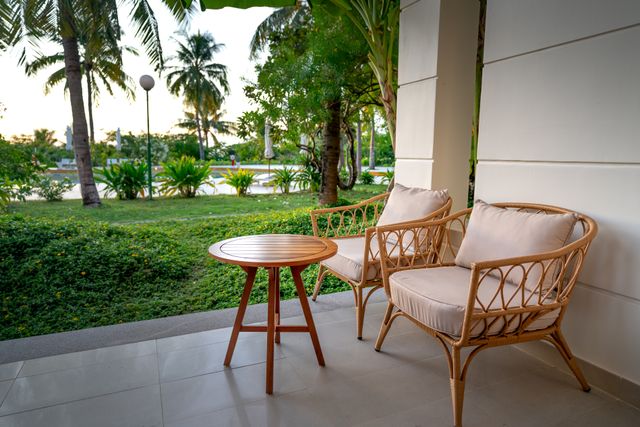
Low-priced outdoor furniture can look like a smart buy upfront, but the reality is that the upfront cost is only a small part of the overall expense. In Australia, where we’ve got some of the most brutal environmental conditions on the planet, cheap furniture takes a pounding from intense UV radiation, salt spray from the coast, torrential rain and extreme temperature swings. Don’t get me wrong, saving a few hundred bucks at the checkout might sound good, but you’ve got to factor in the cost of constant maintenance, premature replacements, fading, corrosion and storage bills. That’s when the savings really start to disappear.
Replacement Frequency Creates the Largest Hidden Expense
One of the most overlooked costs when buying super cheap furniture is having to replace it over and over. Industry insiders reckon that low-end outdoor gear typically lasts anywhere from one to three years, while the good stuff can go for ten to twenty years or more in the same conditions. If you were to buy a AUD 500 budget set every three years, you’d end up laying out around AUD 3,500 over 21 years. On the other hand, a premium AUD 2,000 set that lasts just as long would save you around AUD 1,500 in replacement costs.
Maintenance Costs Are Cheaper Than You Think
Lots of people assume that the cheaper the product, the less work it needs. But the reality is that low-quality materials often require just as much maintenance. After just a year or two of ownership, you’ll often need to seal, stain or treat outdoor furniture made of cheap timber to stop it rotting away from the rain and weathering. That can cost you AUD 25 to AUD 80 each time. If you’ve got to do that every year, over 10 years that adds up to a whacking great AUD 400 just for a single bit of furniture.
UV Fading Really Does Reduce the Value
We’re one of the countries that gets hit with the highest levels of UV radiation on the planet, which is no good news for outdoor materials. UV radiation breaks down the colours, coatings, plastics and synthetic fibres, which means you’ll start to see the effects of fading and weakening before you know it. By the time the colour goes, so does the value of your furniture. It may still be usable but it just doesn’t look as good.
Rust & Corrosion Are The Enemies Of Performance
Rust is another hidden expense, especially along the coast where the air is thick with salt and the corrosion process gets a serious boost. You often find steel and iron components in low-end products as they are cheap to use. This is a problem when the protective coating gets scratched or worn off. Then you get this nasty corrosion eating its way under the paint, slowly weakening the whole thing.
The impact goes way beyond how it looks. The cost of fixing a rusted frame can be eye-watering. Think of all the sanding, repainting, new hardware and potential professional repairs. The worst part is, all those costs can soon add up to the original price you paid for it. Once the rust takes hold it just keeps spreading and can knock years off the lifespan of your furniture.
Storage Charges Are Another Hidden Hit
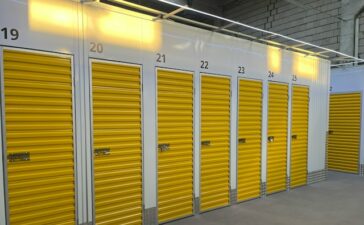
When you buy something new you don’t often think about the storage costs that come with it, but they can sometimes be pretty steep. Low-cost products are often not built with being left out in the open in mind, so you have to cover them up to keep them from getting damaged in bad weather. A decent furniture cover isn’t going to break the bank: AUD 50200 depending on how big it is.
If you don’t have a garage or a covered area to stash it all when it’s not in use, you might have to look at spending some more money on a shed or a storage box. A small garden shed can cost between AUD 500 and AUD 2,000 to install and a weatherproof storage box will cost you anything between AUD 150 to AUD 800. All of that is because the furniture just isn’t up to the job of surviving in the elements.
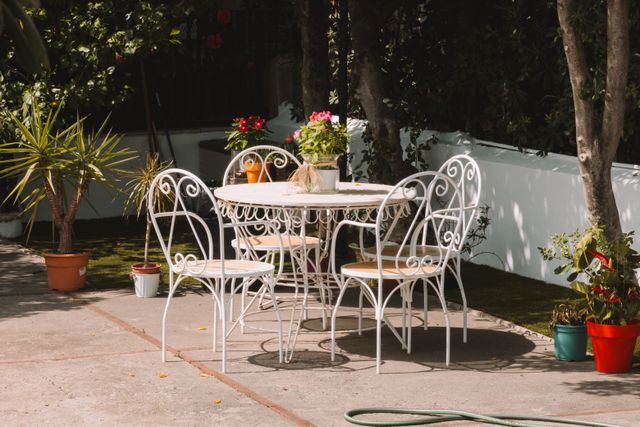
The Cost Gap Between Cheap & Durable Options Can Disappear In No Time
When you do a cost of ownership analysis on some of these low-end products, it often turns out that what seemed like a saving at the start of the process ends up being a costly mistake. That cheap item might be a third of the price of a better one upfront. In the end, you’ll probably end up paying just as much because of all the extra costs like replacement, maintenance, faded fabrics and all the other little expenses that add up. Over 10 to 15 years the total bill can easily be as much as or even more than that of a high-quality alternative.
Tags:KS

Leave a reply