



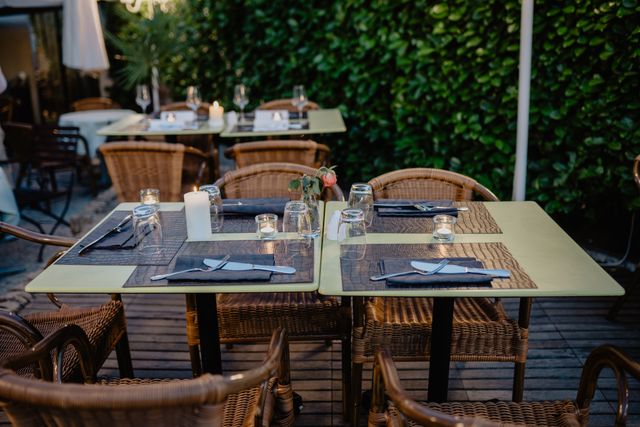
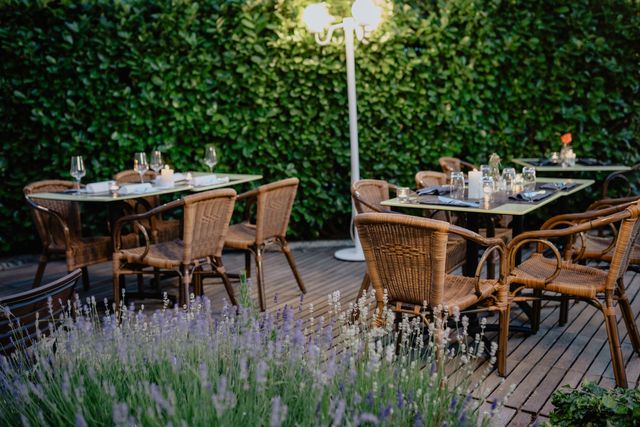
Outdoor dining in Australia has become less about a seasonal indulgence and more a year-round tradition. In most parts of the country, the alfresco table gets regular use from spring right through to autumn. In Queensland and Western Australia, many people get to enjoy it all the way through the winter months as well. A wicker outdoor dining set is perfect for that space, and it gets a lot of use.
Why Wicker Works Specifically for Outdoor Dining?
The case for wicker being so good for outdoor dining really comes down to three practical things. It’s light enough to just pick up and move around, be it pulling a chair out to make room or shifting the whole shebang to catch the afternoon sun. The weave is also super comfy against your skin in a way that aluminium or plastic just isn’t. If it gets a bit messy, a damp cloth is all you need to get it clean again. No trapped food or nasty stains. This is in contrast to the other options. Timber is undeniably pretty, but it’s heavy. It needs a bit of TLC every now and then to keep it water-resistant, and it’ll get scratched up over time. Aluminium slat settings are super durable, but they can look a bit, well, clinical. They’re not really what you want for a relaxed dinner party.
Getting the Seating Numbers Right
When it comes to choosing a configuration, start with who you’re typically going to be inviting over and what size gatherings you usually have. Don’t overdo it on the size just because you have a big backyard. Four-seater settings suit smaller homes with less space, and couples who only occasionally host a guest or two. Six-seater is the most popular size for Aussie family homes. It’s perfect for a household of four, plus regular visitors. If you’ve got a big deck and like to entertain a lot, look at eight and twelve-seater options. The table size is pretty important too. Six-seater tables usually need to be around 150 to 180 cm long, give or take a bit. A 150 cm table is good for a more intimate gathering, while 180 cm gives everyone a bit more elbow room. Don’t forget to leave a bit of space around the edges. About 80 to 100 cm from the table to the wall, or whatever is behind it, works well.
Armchairs vs Armless Chairs
When it comes to choosing your dining chairs, you’ve usually got the option of armchairs or armless chairs. Armchairs are super comfy, but they can take up a bit more space. They also won’t stack for storage.
Tabletop Materials and Climate Zones
The tabletop is where most of the practical maintenance headache sits. People want to know how easy it is to clean and maintain their outdoor dining table. That’s where the real questions sit. Tempered glass is probably the most common option in Australian wicker dining sets. It looks really good and is easy to wipe down after meals. It also looks pretty snazzy with PE wicker. The thing is, though, it’s not for everyone. It needs a regular clean to get rid of water marks and salt residue in coastal areas. It’s also pretty fragile under rapid temperature changes. If you leave the table in the full sun and then douse it in cold water, it can crack. That happens with a sudden rain shower or when someone spills a drink. The stress is just too much for the glass. Aluminium slatted tabletops are the real champions of durability and low maintenance. You just hose them down, and you’re good to go. There’s no chance of them cracking, and no worries about temperature extremes. The only downside is they can have a slightly more industrial look than glass. If you’re using the table as part of a high-use or coastal setup, the benefits really outweigh the aesthetics.
Ceramic tabletops give that top-shelf look. They’re super easy to clean and have excellent chip resistance too. They come with a cost, though. They’re a lot heavier than glass and aluminium. You’ve got limited reconfigurability, and the price is pretty steep. In a sheltered spot where the table is just going to stay in one place, and the budget allows, ceramic is a pretty compelling option. Timber-look aluminium, basically extruded aluminium with a little timber-grained powder coat, gives you a natural look without any maintenance hassle. Quality varies so much between manufacturers, though. Even the best ones can be tricky to tell apart from the real deal just by glancing.
Quality Tiers in the Sub-$2,000 Market
The Australian wicker outdoor dining market has a crazy price range. Let’s be real, the quality differences are the real deal rather than some cosmetic fluff. Budget sets at the $400 to $800 mark tend to have pretty flimsy aluminium frames, lighter-gauge tubing, lower-density foam cushions, and PE wicker that’s just missing a bit of UV stabiliser. The frame joints can flex under normal use. The cushion foam will flatten within a season, and don’t even get me started on the UV degradation of the weave. If you’re just covering a balcony with limited sun exposure, and it’s only for casual use, then these sets will be just fine. If you’re using them daily, they’re just not up to the task.
Mid-range sets from $900 to $1,600 get the perfect balance of durability for most Australian households. You’ll get stronger aluminium frames, cushions you can wash, and PE wicker that doesn’t fall apart under years of outdoor use. This is where most people should be looking if they want good value for their money. Premium sets above $1,800 take it up a notch with UV-stabilised weave rated for Australia’s harsh conditions, reinforced frame joints, warranties of two years or more, and a much wider range of configuration options. The jump from mid-range to premium becomes pretty clear when you start looking at the cushion depth and frame weight. You’ll know the difference when you sit down.
Care, Maintenance, and Knowing When to Replace
Outdoor dining sets take a lot more hammer than lounge settings. Daily chair movement across pavers wears out frame feet. Food and drink contact means you need to clean the thing more often. UV exposure during meal times, straight in the sun, really adds up faster than it does for a shaded lounge spot.
Tags:KS

Leave a reply