




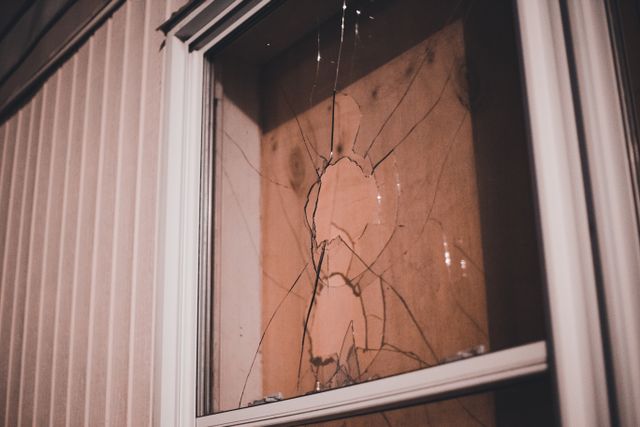
The most common mistake with chipped or cracked glass is probably just assuming you need to replace the whole thing. In many cases though, a small chip or hairline crack in an area that isn’t a safety risk, or a faulty seal in a double-glazed unit, can actually be fixed for a fraction of the cost, and be done way quicker. You don’t need to rush off and get a whole new pane of glass. Before deciding to replace the whole thing, you should get an assessment. It’s not a complicated process, but you do need to be honest about a few things. Is the damage in an area where safety glass is required? Is the glass a type that’s designed to break safely, like toughened or laminated, and if so, is there any damage to the structural layer? Has the crack been getting worse or is it stable? Has fogging in your double-glazed unit been a problem for more than one winter? The answers to these questions will help you decide whether to call a repair specialist or a glazier first.
How Safety Glazing Standards Can Catch You Out?
Australian Standard AS 1288 outlines when you need safety glazing in buildings. It’s a bit more complicated than you might think. Safety glazing is required in places like doors, sidelights next to doors, and low windows where people could easily fall into them. It’s also needed in shower screens and certain commercial applications. These types of glass are required to be toughened or laminated. They break in ways that reduce the risk of serious cuts.
What You Need to Know About Glass Types?
There are different types of glass out there, each with its own strengths and weaknesses. Standard annealed glass is just the basic stuff, it breaks into big sharp shards and isn’t safe for impact zones. Toughened glass is heat-treated so it breaks into smaller, less damaging pieces, and is the standard for safety applications. Laminated glass is designed to hold together on impact, because of the interlayer film, and is used for security and safety areas where retaining integrity is key. Double-glazed units are just two panes of glass with an air or gas gap in between. They are designed for thermal performance.
The Replacement Process, What’s It Gonna Be Like
The whole glass replacement thing for most houses tends to follow a pretty standard sequence. We come out and measure up, order the glass, maybe put up some temporary boarding to keep the place secure and weather out, depending on what needs doing. Then we do the actual job. Lead times can vary depending on the type of glass you go for. You know, standard clear glass is usually available pretty quickly, a few days at most. If you need toughened glass cut to size, it’s more like 5 to 10 working days. If you need that fancy performance glazing then it’s the 2 to 3 week wait before we can get it in. If the glass is broken on the outside of the house then we should get that temporary boarding sorted out pretty sharpish. Boarding itself is not any kind of top security measure. Leaving a gap open is just asking for trouble and making things worse all around.
What Really Sets the Better Glaziers Apart?
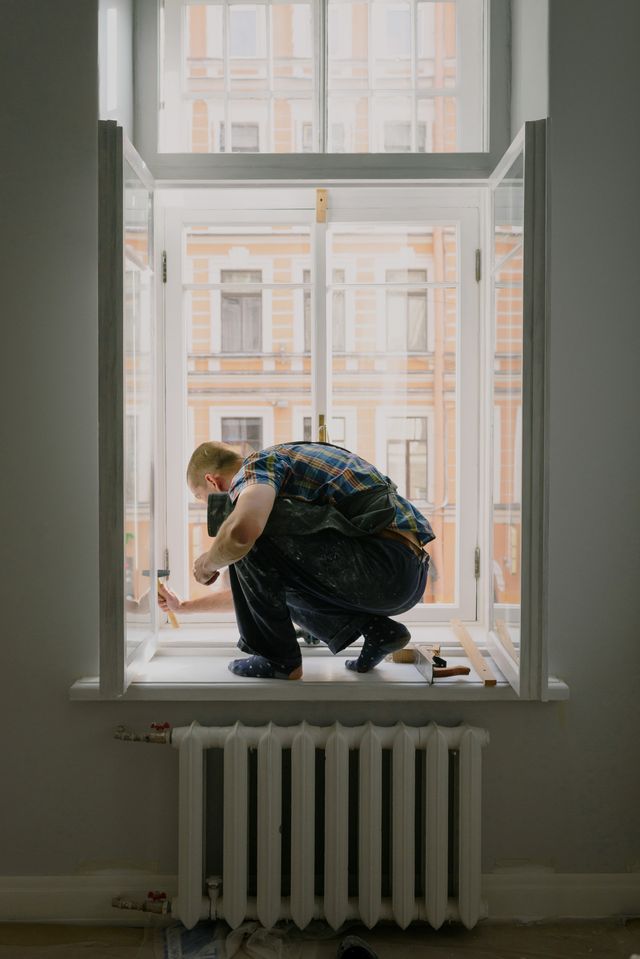
Now we’re getting to the really important stuff. Obviously, anyone who’s worth working with will have the basic qualifications, a license and insurance. Beyond that, what really makes one glazier stand out from the rest is whether they can get hold of common toughened glass in the first place, so they can get the job done faster. Can they handle the specific type of glass you need? Are they there to help you out when something goes wrong at 2 am on a Saturday? Do they take the time to get the measurements right in the first place so we don’t have to do it all over again? A glazier who gets it right the first time is a glazier you want to stick with.
Tags:KS

Leave a reply