




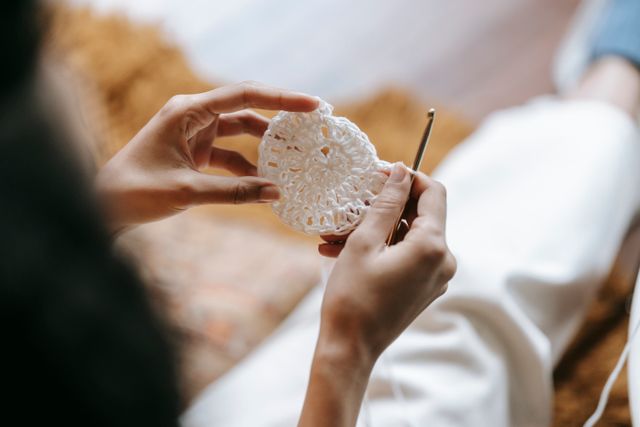
Crocheting has never been a niche hobby, yet the sheer number of people who start with a kit and then abandon it within a week is a pretty telling indicator: a lot of kits out there are being sold rather than designed. What makes the difference between a kit that actually teaches you a new skill and one that winds up collecting dust on your shelf? It’s often not the pattern itself, but one or two tiny details such as the fact that the yarn weight and hook size weren’t designed to work together very well, or that the instructions were written by someone who may not actually teach crochet.
Kit Vs. Buying Separately: When Is Each the Way to Go?
You’ll hear many experienced crocheters say that kits are a waste of time but the truth is, there is a place for them, and it’s stronger than people give it credit for. It’s actually pretty hard to get a good feel for how a yarn works with a particular hook size but a kit that’s been put together with a specific goal in mind gets rid of that whole variable for you. When you buy the yarn, hook, stitch markers and pattern all together you can be sure they’ve all been worked together and tested, and that makes all the difference especially at the beginning.
But once you’ve got some experience and a working vocabulary of stitches under your belt, things change. More seasoned makers generally have a good idea of what sort of yarn they prefer, what type of hooks work for them, and what sort of projects they’d like to make. In that case buying components separately makes perfect sense but for most people a well-designed kit is the simpler, smarter way to go.
Why Yarn Weight Really Does Shape the Entire Learning Experience?
Chunky yarn and big hooks aren’t just beginner-friendly because some marketers think so, there’s actual logic behind it. A big hook like a 10mm to 15mm makes each stitch really visible and easy to spot and the same goes for seeing and correcting any mistakes you might have made. Smaller hooks on the other hand require a level of precision and control that most new crocheters haven’t developed yet and which is just likely to cause frustration rather than getting any actual work done. It’s a tool mismatch, but it can feel like a personal failing.
And then of course there’s the impact of climate to consider especially if you live in a place like Australia. The way yarn behaves changes with the weather and big factors like this can really influence the overall quality of the learning experience. A good kit using soft natural fibres will give you a much better start with your first stitches.
What Actually Tells You That A Kit Is Well-designed, Rather Than Just A Collection of Things?
So if you’re looking for an Australian crochet kit for all skill levels then you need to look beyond the pretty packaging. A kit that’s been put together with a real eye for what works and what doesn’t and with a genuine understanding of what it takes to actually teach crochet will probably repeat the same stitches and techniques over and over again in the early projects rather than trying to introduce new stuff all the time. This is not by accident: it’s because repetition really does help to build muscle memory and this is what actually lets you get better over time. And if the kit includes some stitch markers then that’s also a good sign too, it’s not the sort of thing you’d usually notice, but in fact it is a good indicator of the overall quality of the kit.
Levels of Skills: An Introduction Not A Limit
An error often made in the buying or gift selection of a crochet kit is the tendency to focus heavily on the skill level indicator. Intermediate kits are not more complicated than beginner kits, but kits that presume you already know how to manage your tension and read the patterns’ abbreviations. Upgrading in the hope that it will make the project exciting is a recipe for failure.
On the other end of the spectrum, chunky kits are always underestimated by the more experienced crocheters. The speed of completion is an undeniable benefit. An experienced maker choosing Australian crochet kits for all skill levels featuring chunky patterns will be able to make a nice project in no time at all. This is useful for making gifts, seasonal projects and keeping motivated in a hectic period.
Choosing Quality Kits Without the Purchases First
Before you purchase a kit, make sure that the pattern has an abbreviation guide, row-by-row instructions and specifies the yarn weight and the appropriate hook size. In case the video tutorial link is provided in the kit, make sure that there is an actual tutorial available and that it is not outdated. Australian market has seen lots of kits with out-of-date and missing tutorials because the retailer bundled the pattern of an author who is not active.
Finally, check how the project is designed. The kit with five mini-projects builds confidence through completion. A kit with one major project is based on the assumption that the learner will be able to maintain his or her motivation throughout the whole process.
Tags:KS

Leave a reply