


Why You Need a Bird Bath in Your Garden?
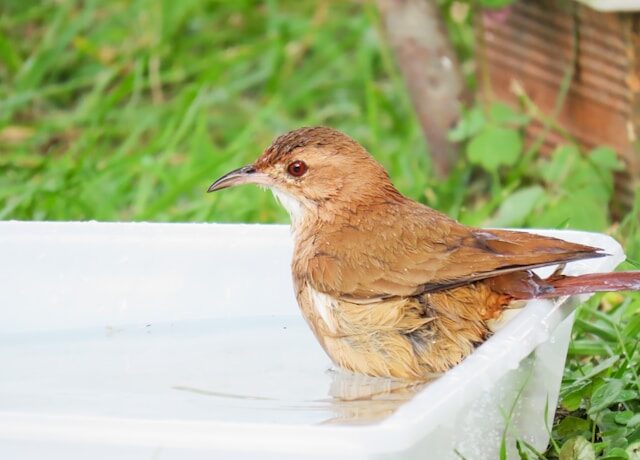
Bird baths are more than just pretty things; they give birds a place to drink and wash, which is especially important in hot Australian summers. A copper bird bath is one of the various types available. It is beautiful, long-lasting, and naturally resistant to algae and germs. Installing a copper bird bath is a smart and beautiful decision for Australian homeowners and gardeners, especially those who want to make their yards more welcoming to wildlife.
Seeing native birds like lorikeets, wrens, or honeyeaters fly over your garden makes it a more peaceful and happy place to be outside. A bird bath not only attracts different kinds of birds, but it also helps with pollination and keeping bugs away, which is good for the garden’s environment. It helps biodiversity, which is very important in cities and suburbs where there aren’t many natural water sources. Copper is a long-lasting material that looks better with age, unlike plastic or concrete alternatives that may break down over time. It gets a natural greenish patina over time that gives it a rustic, timeless look that fits nicely with both modern and classic garden designs.
Why You Should Get a Copper Bird Bath?
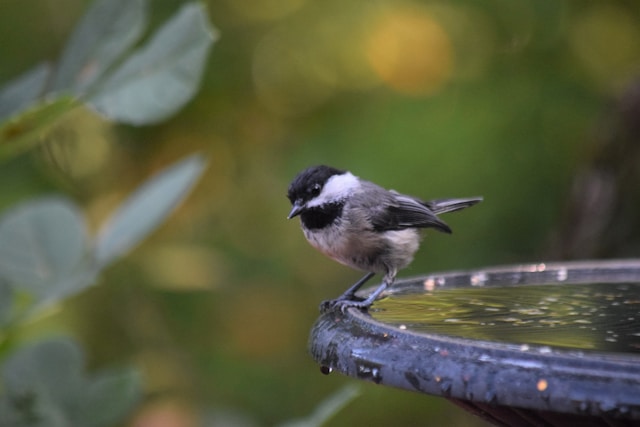
Putting in a copper bird bath has a lot of benefits. First and most important is cleanliness. Copper stops algae, bacteria, and moss from growing on its own because it has antibacterial characteristics. This means that the water stays cleaner for longer, which means less work for you and safer drinking water for the birds that come to your yard. Another good thing is that it lasts a long time. Copper bird baths won’t get damaged by the weather, unlike ceramic or resin ones, which can crack or fade if they are left out in the sun and rain for a long time. This makes them perfect for usage outside all year round in all Australian climates. A copper bird bath will look excellent and work well for a long time, whether it’s in a shady corner of the garden or a sunny corner of the patio. Copper bird baths are not only useful, but they also make a lovely focus point in garden design. Their shiny surface reflects light, which makes them look interesting during the day. Their warm colours also go well with the plants, flowers, and other things in the garden. Some designs even have detailed engravings or sculptural bases, which turn the bird bath into a work of art in your yard.
How to Care for and Place Your Bird Bath?
Careful placement is vital to get the most out of your bird bath. Pick a spot that has trees or bushes nearby. This will make the birds feel safe and give them a place to sit before and after they bathe. Keep the bath away from places where predators might be, and if possible, keep it in partial shade so the water doesn’t heat up too rapidly or evaporate. It’s easy to take care of a copper bird bath. Every few days, rinse it out with clean water. Once a week, use a soft brush and light soap to clean it well (stay away from harsh chemicals). This keeps the water clean and the birds healthy. If you find that the copper is getting darker or forming a patina over time, this is normal and doesn’t influence how well it works. Some people like to keep the copper’s original glossy lustre. If you want, you may keep it shiny by polishing it with a cleaner that is suitable for copper every once in a while. In either case, the material makes a landscape feature that looks great and doesn’t need much upkeep.
Mixing with Other Parts of the Garden
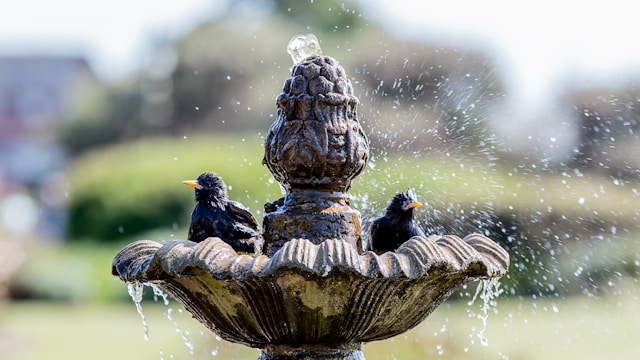
A copper bird bath goes well with a lot of other things outside. For instance, when placed near fire pits that are common in Melbourne homes, it makes a calm contrast between day and night, welcoming wildlife during the day and warming guests by firelight at night. You can also add native plants, stone paths, and sculptures to your garden to make it even better. A copper bird bath is a good long-term investment for both wildlife care and outdoor decor for people who enjoy gardens and care about both. It’s a great approach to help nature and make your own garden more interesting.

Leave a reply