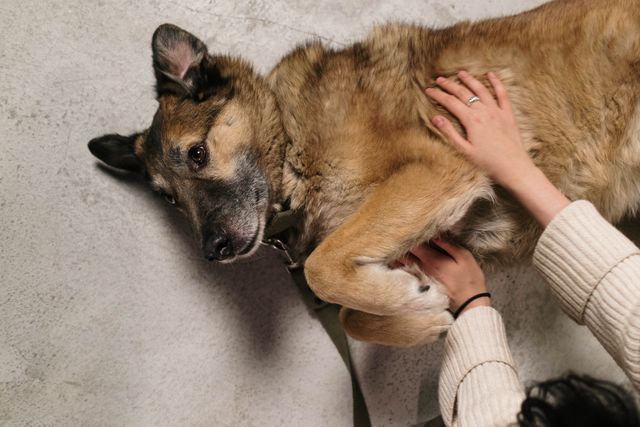
Interest in canine chiropractic is really taking off here in Australia, but the regulatory framework just can’t keep up with demand. Human chiropractic gets regulated through AHPRA, with very clear registration requirements and professionals being held accountable. But animal chiropractic isn’t anywhere near as clear-cut no single national body decides who gets to call themselves a dog chiropractor, so we’re left with a pretty big quality gap between the good guys and the ones who are just winging it.
- IVCA (International Veterinary Chiropractic Association) certification is basically the benchmark for animal chiropractic.
- ABPA (Animal Biomechanical Professionals Australia) is the top dog when it comes to professional bodies for qualified animal chiropractors here in Australia.
- And that’s a problem, because human chiropractors who treat animals without getting proper postgraduate training are basically putting animal welfare at risk.
- Don’t be afraid to ask about qualifications before booking it’s only sensible due diligence.
What These Different Qualifications Actually Mean in Practice?
The qualification hierarchy in Australian canine chiropractic is a real thing, and it actually matters in the real world. Right at the top of the tree, a Master’s-level qualification in animal chiropractic is about the best training you can get. RMIT University used to run a pretty top-notch animal chiropractic Master’s and Graduate Diploma program from 1998 right up until 2009, and they turned out over 150 graduates. The ABPA’s Graduate Diploma of Animal Biomechanical Medicine is the current postgrad pathway, and it’s only open to registered vets, chiropractors, or osteopaths with at least two years of clinical experience under their belt
Certificate-level animal chiropractic courses are out there, but the quality varies wildly depending on which accrediting body is behind it. So a practitioner who’s done a short certificate course without the underlying degree in veterinary or chiropractic just isn’t the same as a Master’s or ABM Diploma-trained practitioner regardless of what they’re trying to spin it as
- Dog chiropractors Melbourne with 17-plus years of experience and Masters-level training have a totally different level of care to offer.
- Ask whether your dog is a regular part of the clinic’s workload, not just some occasional add-on.
- Some clinics list animal chiropractic as just one of many services they offer – so ask about frequency and specialisation of canine treatment, because that makes all the difference.
What Conditions Dog Chiropractors Get Asked to Treat Most Often?
Musculoskeletal stiffness and reduced mobility in older dogs is probably the most common problem they’ll come across. And then there’s post-injury compensation patterns when a dog hurts one limb, the other three get overloaded and it creates all sorts of tension in the spine and joints that weren’t originally affected. If you don’t address that, those patterns can become chronic problems
And then there’s performance and working dogs agility dogs, herding breeds, sled dogs they all benefit from regular chiropractic maintenance, even when they’re not injured. High-demand physical activity just puts a cumulative load on their spines and joints. And recovery from orthopaedic surgery is another thing chiropractic can really help get them back to normal faster by addressing the tension patterns that build up around a repaired joint
- Working and sporting dogs actually need regular maintenance care, even if they’re not injured.
- Some behaviour changes like snapping or being reluctant to be touched might have a musculoskeletal root cause.
- The owner’s observations of the dog’s daily movement are a really important part of the clinical picture.
How a Course of Treatment Is Usually Structured?
Most presentations require a series of sessions, rather than just one appointment. And let’s face it, the typical structure of treatment follows three distinct phases although not every dog will go through all of them.
- Phase 1 (Acute): This is all about getting the immediate pain under control and getting your dog back on their feet again. We’re talking frequent visits over the space of 2 to 4 weeks.
- Phase 2 (Corrective): Now we’re getting into the meat of the treatment. Sessions are becoming less frequent, and the focus is all about getting your dog’s biomechanical function back to normal again.
- Phase 3 (Maintenance): This is where things are looking pretty good and we just need to make sure all the progress that’s been made sticks. This can mean periodic visits to your ‘chiro’, especially if your dog’s getting on in years or they have chronic issues.
What’s more, each of these phases is evaluated on an individual basis so don’t be surprised if your dog doesn’t need to go through all three. And here’s the thing, the number of sessions your dog will need really depends on their age, how severe their condition is, and how they respond to treatment in the first place. As an owner, you’ll play a pretty big role in all of this too keeping an eye on your dog’s gait, their sleep posture, their energy levels, their behaviour, and letting the practitioner know what you’re seeing along the way.
Questions to Ask Before Booking – A Practical Guide
Choosing between all those “dog chiro’s” out there can be a real challenge – but hey, ask the right questions upfront and you’ll be all good.
Have a chat with the practitioner and ask them:
- What are your specific animal chiropractic qualifications? And which body actually certified you?
- Are you registered with Animal Biomechanical Professionals Australia?
- How many dogs do you see in a week (and what breeds)? That can give you an idea of their experience with your breed, at least.
- Will they communicate their findings back to your vet?
- What’s the likely session count going to be for your dog?
Bring your dog’s vet records and any relevant imaging to that first session. And honestly, it’s a good idea to get your dog checked by a vet within the last 3 months, especially if this is a new problem or you’re not sure what’s going on. If the ‘chiro’ seems to be putting a lot of emphasis on not needing the vet’s input, that’s a red flag right there.