




A comfortable home must have both natural light and fresh air. In addition to increasing ventilation and energy efficiency, many Australian homeowners are searching for ways to make their living areas brighter. Installing roof windows, which let light and circulation through the roof structure directly, is one common approach. In places where conventional wall windows might not be feasible, roof windows are very helpful. They assist homeowners in creating interior spaces that are both aesthetically pleasing and functional.
What Sets Roof Windows Apart?
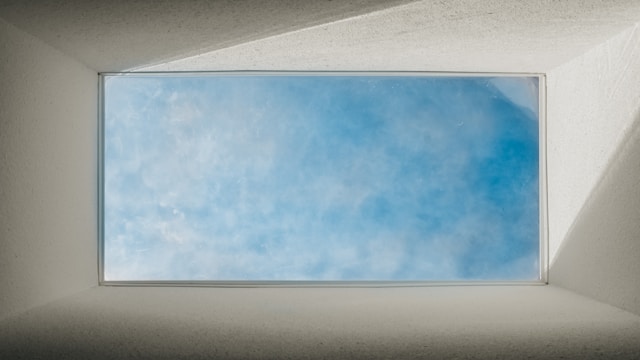
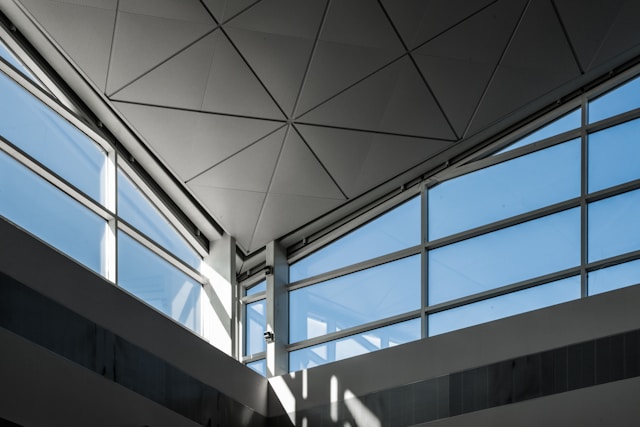
When a homeowner wants to add additional natural light to the upper levels of their house, they often think of installing roof windows. Roof windows, in contrast to skylights, are typically accessible and frequently openable for ventilation. These windows are frequently seen in rooms with sloped ceilings, lofts, and attic conversions. Roof windows enable homeowners in Australian homes with pitched roofs to better utilise underutilised spaces by converting them into cosy living areas. Roof windows offer great ventilation since they may open outward. This is especially helpful in Australia’s warmer climes as it improves interior air quality and lets warm air leave during hot weather. Insulated glazing is another feature of contemporary roof windows that contributes to the stability of interior temperatures. By reducing heat transfer, this design keeps dwellings warmer in the winter and colder in the summer.
The Advantages of Roof Window Installation
The quantity of natural light that roof windows offer is one of their most obvious benefits. Rooms can be better lit by sunlight coming from above than by light coming from vertical windows. Rooms may appear larger and cosier as a result of the enhanced brightness. The extra daylight is frequently quite beneficial for areas like studio areas, bedrooms, and home offices. Another significant advantage is energy efficiency. Roof windows can lessen the demand for artificial lighting during the day by letting in more natural light. Over time, this could help reduce the amount of electricity used. Equally important is ventilation. Opening roof windows improves overall airflow by allowing hot air to escape from the house’s top levels. Reliance on air conditioning equipment may be lessened because of this natural ventilation.
Selecting the Ideal Design for Roof Windows
A number of elements, such as roof slope, window size, and placement, must be taken into account while choosing the ideal roof window. To make sure the window fits properly and securely, professional installers usually evaluate the roof’s structure. Double-glazed glass panels, which enhance insulation and lessen outside noise, are a common feature of roof windows. Additionally, some models have rain sensors that, upon detecting rainfall, automatically close the window. Additionally, homeowners have access to a variety of accessories, including shutters, shades, and remote-controlled opening systems. In addition to offering extra comfort, these elements make it simple for tenants to regulate ventilation and sunshine. For the roof window to remain waterproof and structurally strong, proper installation is crucial. Skilled technicians seal the window and shield it from wind and rain using sophisticated flashing systems.
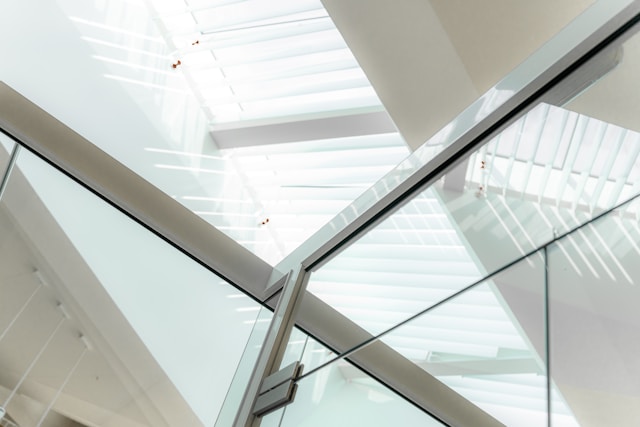
Using Natural Light to Improve Living Spaces
Roof windows provide an appealing and useful method to enhance interior spaces. They assist homeowners in making the most of their houses’ functionality by introducing natural light and fresh air into previously gloomy or underutilised areas. Roof windows are still a common architectural element as Australian homeowners continue to place a high value on energy efficiency and cosy living spaces. When properly placed, they offer long-term advantages that improve a home’s functionality and attractiveness.

Leave a reply