



Pipe Relining Melbourne: The Quiet Fix That Saves Your Property

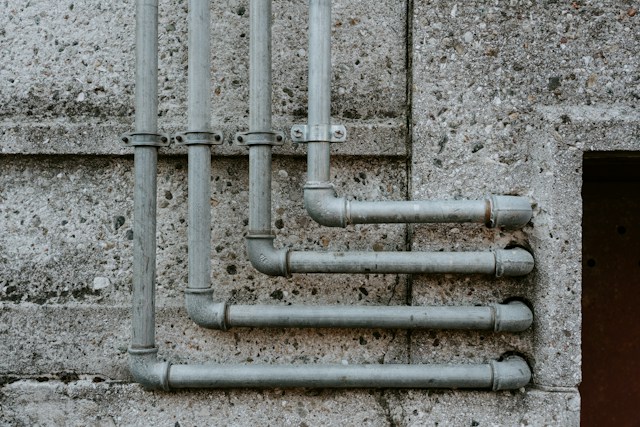
The citizens of Melbourne would probably get to know about the need to focus on their plumbing system if something happens. Slow draining, water stains on the lawns, or increased water bills can indicate that there has been some damage under the surface of their homes for quite some time now. The pipes are never going to let people know about any problem; that is why the cost of this problem is very high.
Some valuable information about the problem can be extracted from the information about the water infrastructure system of Victoria State. As per the budgetary estimates of Victoria Government, the water corporations of the state spent more than $905 million in 2024 to manage the rapid growth in the number of connections in Victoria. This is how many issues Melbourne’s water network is facing due to ageing and population growth, and although the residential plumbing network is not covered by the figures, it faces the same issues. Pipe relining Melbourne services have emerged as a practical response to this challenge.
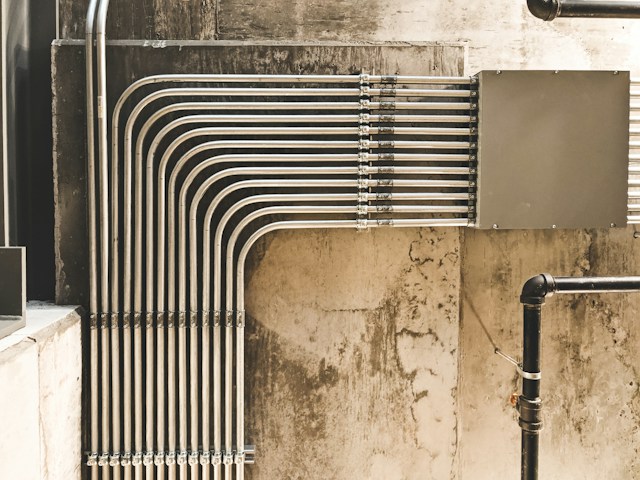
How the Relining Process Actually Works?
Pipe relining is usually explained in simple terms; it is “a no-dig repair”. However, this description cannot explain what exactly this process involves. If pipe relining is necessary, first of all, a CCTV drain camera is fed through the damaged pipeline in order to find out the location of the damage, its extent and whether relining is possible at all. It is crucial to note that the process cannot be applied to every pipe.
In case a pipe needs relining, a flexible pipe liner is inserted into the existing one and inflated against its walls. This way, the resin or polyester resin used during the procedure cures and creates an entirely new layer inside the pipe. There is no need for excavation, landscape reinstatement, and in most simple cases even for any interruptions of the work at home.
Why Excavation Costs More Than the Quoted Price?
When one compares pipe relining and the traditional method of repair, there is a huge difference in terms of expenses once the cost of excavation is taken into account. Trenching price includes only labour and material. However, it does not include such expenses as demolition of the concrete driveway, landscaping removal, and its restoration afterwards.
Warning Signs That Deserve Attention
It is very rare that a pipe develops issues without any previous warning, and by recognising the signs of these problems early on, the scale and expense of any necessary repair work will be significantly different.
- The gurgling sound coming from toilets or drain outlets when the water is being used somewhere else in the building.
- The same drain line clogs again after only a few months of professional cleaning.
- Patches of moisture or unexpected greenery on the grass above where the pipe runs underground.
- Slow drainage occurring across several fixtures simultaneously, indicating an issue in a common drain line and not just a clog somewhere.
Any of these signs, especially repeated ones, mean that the pipe requires a camera inspection instead of another jetting procedure. Cleaning a damaged pipe will eliminate the symptoms but leave the root cause of the problem untouched.
Sewer, Stormwater, and Internal Drains Are Not the Same Problem
There are three different pipes installed at the property in Melbourne. The sewer pipes transport wastewater from bathrooms, kitchens, and toilets to the main connection; their issues can lead to contamination of the property and pose certain health risks, so they need to be addressed immediately. The stormwater drains take care of surface water drainage and connect the house with the city’s drainage system; since they are under load only during the rainy periods, the problem will be unnoticed until a weather event reveals it. The internal drain lines refer to the narrower pipes of the fixtures.
All of them can be inspected for trenchless repair, but depending on the type of pipe, its condition, and site access, they might be suitable or not. First of all, each of them requires a CCTV inspection of the pipe.

Leave a reply