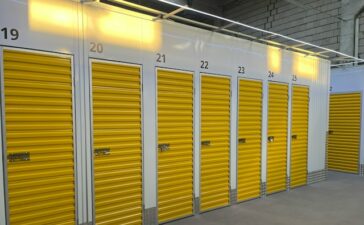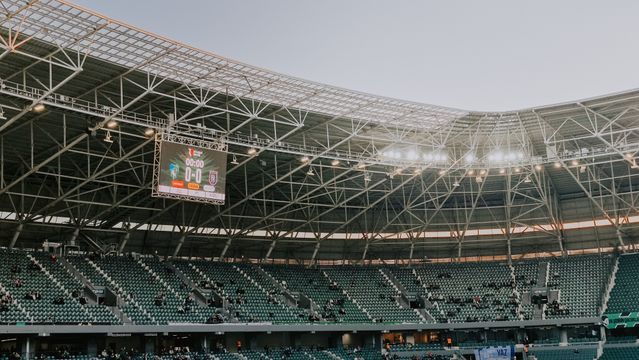
A stadium is one of the hardest places for signage to do its job properly. On a quiet day, a sign might look clear enough, but the real test comes when thousands of people arrive at once, queues start forming, staff are answering questions from every direction, and visitors are trying to find gates, seats, food outlets, toilets, exits, accessible areas, merchandise stands, transport links, and emergency information without slowing everything down.
That’s why stadium signage has to be treated as a working system rather than a collection of boards and banners. In a large venue, signage affects safety, crowd flow, visitor experience, commercial visibility, and the overall impression people take away from the event, which means it needs to be planned, installed, maintained, and updated with a lot more care than most people realise.
Clarity matters when people are moving quickly
Most stadium visitors are not standing still and calmly studying every sign. They’re walking with a group, checking tickets, carrying food, managing kids, trying to meet friends, or following the movement of the crowd around them. That means signs need to communicate quickly, from a distance, and in a way that makes sense even when people are distracted.
Good signage uses clear hierarchy. The most important information needs to be visible first, whether that’s a gate number, section marker, exit direction, toilet location, or safety instruction. If visitors have to stop, squint, ask staff, or double back, the signage is already creating friction.
Consistency helps people trust the space
Large venues can become confusing when signs look like they’ve been added in pieces over many years. Different fonts, colours, materials, naming systems, and temporary fixes can make the venue feel harder to navigate than it needs to be. Even if each individual sign is technically correct, the overall experience can feel messy.
Consistency gives people confidence. When directional signs, maps, gate markers, digital displays, sponsor signage, and safety messages feel connected, visitors can move through the venue more intuitively. They learn the visual language of the place as they go, which makes the whole event feel smoother.
Maintenance is just as important as installation
Stadiums are tough environments. Signs have to deal with weather, sunlight, crowds, cleaning, event changeovers, sponsorship updates, accidental damage, and general wear. A sign that looked sharp at installation can become faded, scratched, outdated, loose, or partially blocked over time, and in a busy venue, that can create real problems.
Regular maintenance helps keep signage accurate and professional. It also prevents small issues from becoming embarrassing or unsafe. If a directional sign points to an area that has changed, a sponsor sign looks tired, or an exit marker is hard to see, the venue experience suffers.
Signage supports the commercial side too
Stadium signage is not only about directions. It also plays a major role in branding, sponsorship, advertising, hospitality, retail, and fan engagement. From naming rights and perimeter signage to food outlet menus and merchandise displays, signs help shape how commercial partners appear inside the venue.
That visibility has to be managed carefully. Too little signage can mean missed opportunities, while too much can create visual clutter that makes wayfinding harder. The best systems balance practical information with commercial impact so the venue feels energetic rather than overwhelming.
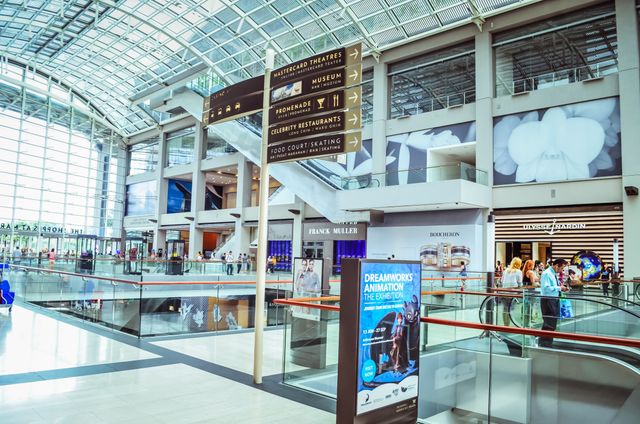
Big crowds need quiet guidance
When signage works well in a stadium, people often don’t think about it at all. They find their seat, grab food, meet friends, visit the bathroom, and leave safely without needing constant help. That quiet guidance is exactly what good signage is meant to provide.
In large venues, signs are not decorative extras. They are part of how the crowd moves, how the brand is experienced, and how the event feels from arrival to exit.