





Mechanics together with car fans make regular use of car hoists to perform their tasks. The equipment delivers elevation to enable safe access to areas of vehicles which are either inaccessible or extremely challenging to reach. A reliable car hoist becomes vital while performing any vehicle repair from oil changes to brake inspections to complex maintenance tasks. The possession of great power requires a person to be responsible. Safety when using a car hoist becomes essential to protect personal safety as well as vehicle structure and work environment stability.
Operating these machines with proper effectiveness leads to better workflow and reduces the possibility of accidents. This guideline presents the major options among car hoists that exist commercially today as well as essential safety rules and proven application methods for their utilization. These guidelines will improve your practical expertise as well as ensure your safety both in mechanic shops and DIY situations. This piece presents all vital information needed to operate car hoists efficiently.
Types of Car Hoists
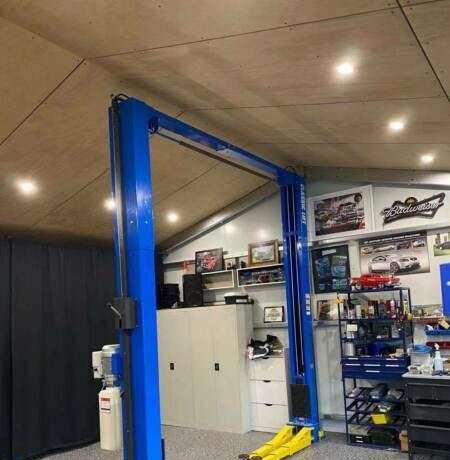
The market hosts car hoists which serve particular maintenance requirements. The standard types of hoists available in the market include two-post as well as four-post models. Two-post hoists enable easy access to all areas under the vehicle while serving best for fast vehicle maintenance.
The four-post hoist system demonstrates reliable stability that enables users to perform storage and maintenance operations. Heavy-duty vehicles can be operated on these hoists because of their strong construction.
Scissor lifts present another suitable solution because they have small dimensions that fit restricted areas. Users benefit from these installations because they let them easily enter the floor area and raise vehicles more than regular setups.
The portable system of car hoists provides functionality suited for changeable maintenance situations. The equipment allows home mechanics to maintain safety standards when they need mobile convenience in their automotive work. The different types of car lifts fulfill separate needs according to their intended users and available space dimensions.
Safety Tips for Using a Car Hoist
Safety should always be your number one concern during any car hoisting operation. Inspect the hoist position by checking if it sits on a flat and secure foundation prior to commencing the vehicle lifting process. This prevents tipping or accidents.
A check of your hoist against its weight limits must always be performed since working outside these boundaries is strictly prohibited. You should study the details of your car and all the equipment.
A thorough examination for damage and wear should be conducted before starting the lift. Hydraulic hoses and cables must receive full inspection because microscopic defects create the risk of equipment failure.
Wheel chocks should be placed under tires to prevent the vehicle from moving while you raise it. This prevents rolling while elevated.
All work on elevated vehicles should happen above the level at which the structure can support itself. After lifting your vehicle, always activate the safety locks to boost the security level for maintenance operations.
When using a car hoist, maintain constant contact with others nearby through clear communication before starting or ending any upward or downward movements of the vehicle.
Best Practices for Operating a Car Hoist
A car hoist operator needs to read the user manual before starting any operations. Unique safety systems together with specific manual sets exist for each vehicle model in its original design.
Before raising a vehicle you must verify its weight capacity according to the specified standards. The knowledge of your hoist capacity plays a vital role in avoiding threats to safety and equipment failure.
The vehicle needs proper placement on the platform surface. Position the vehicle in the center of the platform directly underneath the lift point for proper stability during the lifting operation. Wheel chocks should be used as an extra precaution measure when needed.
Apply all safety locking mechanisms after lifting the vehicle. The safety locks ensure safe work conditions below the vehicle while keeping it from falling unexpectedly.
Keep all equipment both accessible and ordered to reduce additional distractions when working under elevated vehicles. The main priority for safe operation requires attention and focus.
Proper communication must happen with everyone who stands nearby while elevating or lowering vehicles because it keeps everyone notified about the surrounding events.
Maintenance and Inspections
Car hoists require routine inspections together with maintenance activities to operate both effectively and safely. The absence of routine inspections or maintenance will trigger dangerous incidents in addition to equipment breakdowns.
Every use requires a systematic visual check of the system. Inspect both the car hoist structure and lifting mechanisms for wear symptoms together with damage indicators and signs of rust. Accurate inspection of hydraulic lines must check for any leaks.
A monthly inspection should verify the hoist performance by conducting limit tests and validating complete safety system functionality. Execute a cable fraying assessment together with a bolt-tightening procedure.
Consider scheduling professional inspections annually. Professional technicians examine equipment elements which have problems discerning hidden internal hydraulic system components for inspection.
Create a maintenance log to record all repairs together with inspections alongside part substitution activities. Your documentation system brings order to your operations and creates a resource that proves valuable when dealing with difficulties that may occur in the future.
Taking preventive care measures allows both protection of your equipment along with defensive work practices during under-hood maintenance.
Common Mistakes and How to Avoid Them
Accidents can happen when operating a car hoist because a few key errors easily occur during operations. The misuse of car hoists often starts with an inadequate weight check of the vehicle before operation. Check your vehicle specifications before using a hoist since it must be able to support the weight of your car.
Vehicle security becomes essential after proper lift of your vehicle. No catastrophe will occur to you while working below unless you fail to secure your vehicle properly with safety locks or supports during operations. Routine confirmation of security features should be part of your standard operating procedures before beginning any work routine.
Users frequently neglect spending an appropriate time when performing preoperative inspections. The pre-operation check is essential since it helps identify vital problems with both hydraulic fluid leakage and damaged cable connections. Every use of your car hoist requires you to dedicate time for extensive examinations.
Operating an untrained hoist system poses the most critical hazards during use. All users of the equipment need to receive complete training for understanding its operations and demonstrating strict adherence to safety guidelines.
Practicing preventative safety techniques in combination with awareness about shortcomings establishes an environment that minimizes risks for car hoist maintenance and repair operations.