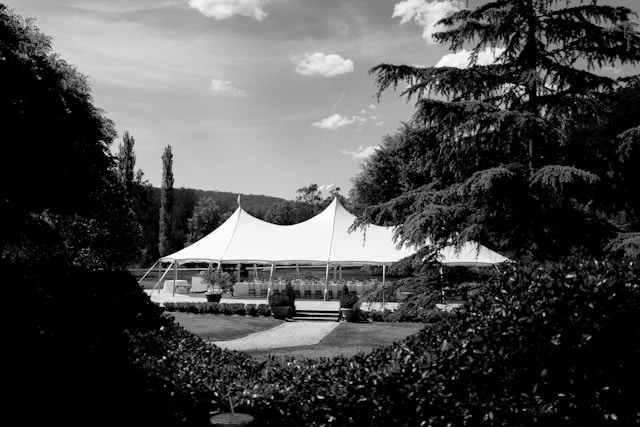
You probably thought marquees hire was going to be the easy bit when you started planning your outdoor bash. Just pick a tent, choose a size, and away you go. Simple enough. But somehow, between trying to sort out the weather, get the guest numbers right, get permission for the whole thing and the spiralling costs, well, it all of a sudden feels a lot more complicated than you anticipated. And funnily enough, most people only start to get a vague idea of the real issue on the actual event day. A friend of mine learned the hard way when planning a small get together for about twenty guests to pop round the back for. At first, it sounded perfect, a relaxed outdoor dinner, the soft glow of some nice lighting, some music playing softly in the background, and a marquee to top it all off, in case the weather changed at the last minute. The marquee itself looked all right on the website. Big enough, and not too pricey. That confidence didn’t last long, though, once the first real planning question came up. ”How big a marquee do we actually need again?” At first, twenty guests sound a small number, but once you start to factor in tables, chairs, serving space and where people are going to stand while we are getting the food etc., the whole layout gets turned on its head. A compact 3m x 10m marquee might easily seat around twenty guests for a banquet-style dinner, but that same space can feel just the opposite if people are standing around, making their way to the buffet or grabbing a seat.
The weather problem most people like to ignore
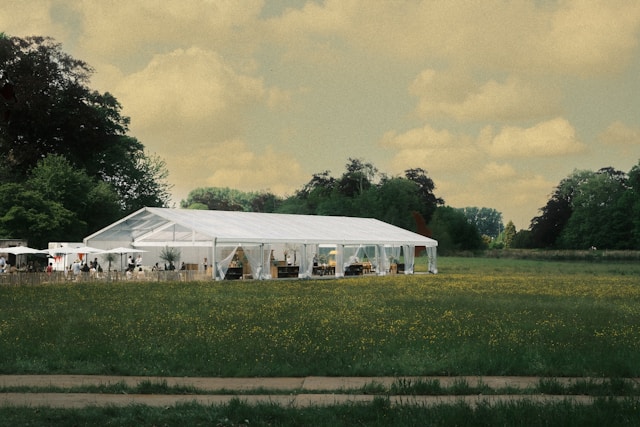
Most of these alternative structures are only any good until the weather decides to change on you. And weather, well, that changes everything. Because all your outdoor setup looks just fine and dandy under blue skies, you know. But the real test is when the weather suddenly takes a turn for the worse. A lot of people assume that all tents and marquees are 100% waterproof. But that’s not the case. It’s all about the quality of the material and something called the Hydrostatic Rating. Most people don’t even know about it until they find water leaking through the fabric during a storm. A tent with a lower waterproof rating might be fine on a light drizzly day, but once the heavy rain starts, the water pressure can start to seep through the fabric. And the result? Not always a flooding disaster. More often than not, it’s just a series of small drips, or damp flooring, or humid air making guests feel a bit queasy without knowing why.
Why marquee hire costs rise quickly?
We had a complete mindset shift on planning a marquee after this happened to them. But just when they thought they’d got their planning sorted, another surprise was waiting. The bill. At first glance, marquee hire can seem like a pretty penny for “just a temporary structure”. But then you start to notice all the other costs adding up. Flooring, lighting, furniture, heating, the list goes on and on. And let’s not forget seasonal demand, delivery logistics and all the other little expenses that sneak up on you. It all adds up, especially over summer weekends and holiday periods when the demand for marquees is way up. Those cheap initial quotes don’t look so cheap when you add in the extras. But then, after seeing all the little details involved, the cost starts to make a bit more sense. Because a marquee isn’t just a bit of fabric stretched over some poles. It’s flooring that’s still stable even after a downpour. It’s lights when the sun starts to set a bit earlier than expected. It’s a place to hang out when it starts to get a bit stuffy on a warm evening. And it’s shelters when the weather forecast says there’s going to be bad weather coming in. In other words, people are paying for peace of mind in an unpredictable environment.
The permission issue nobody talks about
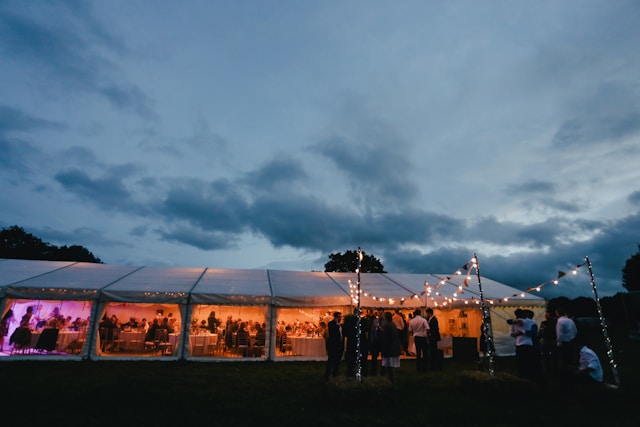
Then, just when our friend thought they’d got everything sorted, they stumbled over one more thing they’d completely forgotten about. Permission. The event location seemed fine, just some open space. No big deal. That was, until someone asked if they needed to get permission from the local council. That one question opened a whole new can of worms. Loads of people don’t realise that putting up a marquee on council land, beaches, public parks, or near protected buildings requires permission from the council. Some locations even have more strict rules due to being in flood zones or conservation areas. And if you just ignore it, well, let’s just say you won’t be having a good time. And that’s why outdoor events often look so effortless. You see a beautiful marquee, happy guests and perfect weather in a photo online, and you think, “How hard can it be?” But what those photos never show is all the tiny details that go into making that look effortless. Space planning, surface conditions, waterproofing, local permissions, weather prep and guest movement. Every small thing matters when it comes to whether the event is smooth or a disaster. It wasn’t actually the marquee that was the main thing. It was all the things that nobody really notices when everything goes right. The tiny planning decisions that quietly make a huge difference between guests feeling relaxed and comfortable and wanting to leave. And once you see that, outdoor events don’t seem so random, do they? They start to seem like they’re actually planned.